workOwonworkOwonA New Way to Connect
HomeFeedJobsCommunitiesEventsFeaturesAbout workOwon

New to workOwon?

  • Post and join conversations
  • Apply to jobs in a few clicks
  • Join communities in your field
Join nowLog in

Popular communities

See all

See what professionals are talking about

Browse public posts from people and communities. Join to react, comment and post.

Log inJoin now

Siddharth Saxena

AppSec Engineer @ Moneyleaf | OWASP, threat modeling, bug bounty | Making security developer-friendly

Oct 27

Reflecting on my journey as a Security Engineer has made me realize how much this landscape changes every single day.

Being in cybersecurity isn't just about configuring firewalls or running vulnerability scans. It is a continuous commitment to learning, adapting, and staying two steps ahead of threats.

Here are a few core notes and lessons I have gathered from my profile and day-to-day experience in the field:

  • Security must be integrated from day one, not treated as an afterthought during deployment.

  • Automation is vital because manual checks simply cannot keep pace with modern deployment cycles.

  • Communication is just as critical as technical skill when explaining risks to non-technical stakeholders.

The best security professionals are naturally curious. We love breaking things just to figure out how to build them better and stronger.

To fellow security engineers on WorkOwon, what is the one lesson that completely changed your approach to protecting systems? Let us discuss in the comments.
#securityengineer#cybersecurity#infosec#careerjourney#workowon

Vivaan Patel

Frontend Engineer | React, Next.js, TypeScript | Obsessed with fast, accessible UIs

Oct 27

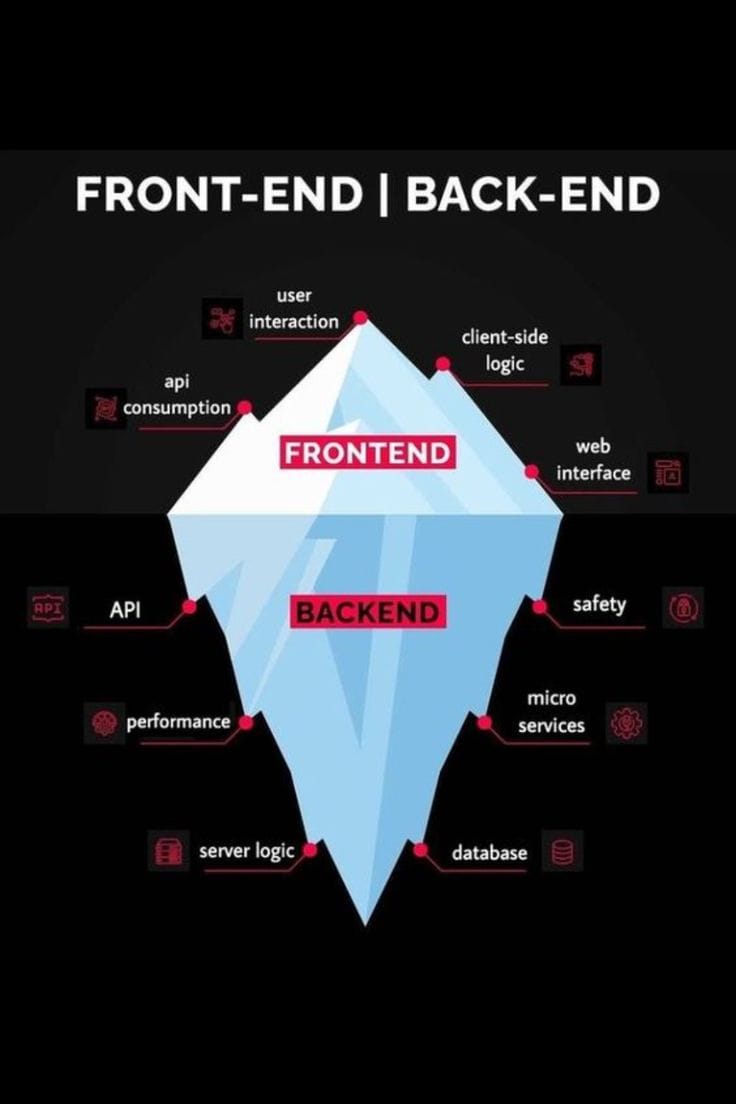
The role of a Frontend Engineer has evolved so much over the last few years.

It is no longer just about translating a designer's static Figma file into HTML and CSS. Today, frontend development is a complex engineering discipline.

Here are a few things modern Frontend Engineers juggle daily:

  • Optimizing web performance and Core Web Vitals

  • Managing complex state across large-scale applications

  • Ensuring accessibility and responsive design for every device

  • Writing robust unit and integration tests

What is the most challenging part of frontend development for you right now? Let us discuss in the comments below!

Vivaan Patel

Frontend Engineer | React, Next.js, TypeScript | Obsessed with fast, accessible UIs

Oct 27

Being a Frontend Engineer is about much more than just pushing pixels to a screen.

We bridge the gap between design and raw functionality, turning complex user requirements into seamless, accessible, and performant web experiences.

Every single day brings a new challenge:

  • Optimizing load times and Core Web Vitals

  • Ensuring cross-browser compatibility

  • Writing clean, maintainable component architectures

  • Making apps fully responsive for every screen size

It is a field that moves incredibly fast, but the satisfaction of seeing users interact effortlessly with what you built makes it all worth it.

What is your favorite part about building for the web?

#frontend#webdevelopment#softwareengineering#coding#techcareers

Priya Banerjee

Data Scientist | NLP, forecasting, Python | Ex-researcher | Women in Tech mentor

Oct 27

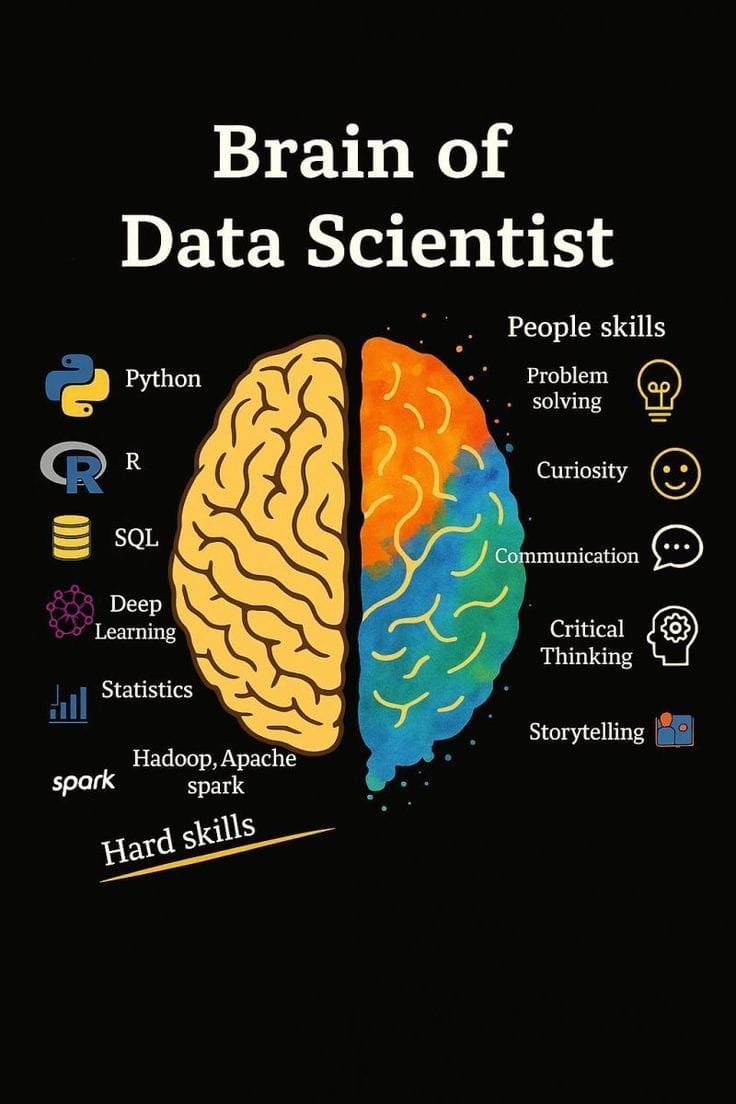
Data Science Is More Than Building Models — It’s About Solving Real Problems!

Working with demand forecasting and Natural Language Processing (NLP) has shown me how data science can turn raw information into meaningful business decisions.

Here are 4 things that make data science valuable:

Demand Forecasting: Predicting future demand helps businesses plan inventory, manage resources, and reduce waste.

Natural Language Processing (NLP): Turning text into insights helps teams understand customer feedback, reviews, and common concerns.

Data-Driven Decisions: Well-designed experiments and reliable data help businesses make informed decisions instead of relying only on assumptions.

Responsible Modeling: A good model should be evaluated for accuracy, bias, and performance on unseen data — not just impressive training results.

One important lesson: A complex model isn't always the best solution. Sometimes, a simple, well-tested approach delivers more useful results.

I’m also passionate about helping more women explore opportunities in data science. Sharing knowledge and supporting one another can make the field more accessible to everyone.

Data professionals: Which challenge do you find most interesting — forecasting, NLP, or model evaluation?

#datascience#machinelearning#nlp#demandforecasting#dataanalytics#womenintech
Post image

Nikhil Chowdhury

Backend Engineer | Python, Django, Postgres | Fintech | Remote-first

Oct 27

Post image

Nikhil Chowdhury

Backend Engineer | Python, Django, Postgres | Fintech | Remote-first

Oct 27

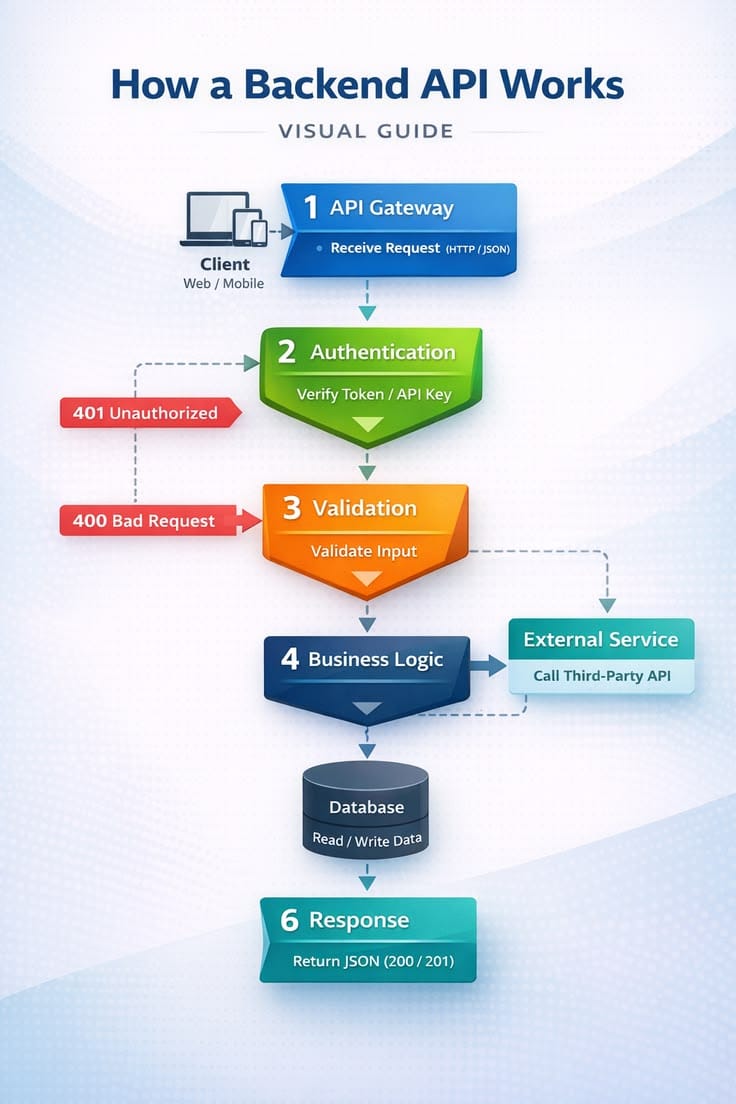
Backend Engineering: Making Things Work Behind the Scenes!

A smooth user experience depends on more than a beautiful frontend. Behind every fast page and successful request, there's a backend working hard to make everything happen.

Here are a few things I focus on as a backend engineer:

Optimize database queries: Efficient PostgreSQL queries can make a big difference in application performance.

Build reliable APIs: Clear responses, proper validation, and meaningful error handling make APIs easier to maintain.

Think about scalability: Good architecture helps applications handle growing traffic without unnecessary complexity.

Measure before optimizing: Use query analysis and performance metrics to identify real bottlenecks instead of guessing.

Keep learning: Exploring Rust alongside Python and Django is a great reminder that every language brings a different way of thinking about software.

My biggest takeaway: code that works is a good start, but code that remains reliable under real-world conditions is what makes a strong backend.

Backend developers, what's your biggest performance challenge these days — slow database queries, API latency, or memory usage?

#backenddevelopment#python#django#postgresql#softwareengineering#rust
Post image

Rohan Malhotra

Staff Engineer @ Orbitly | Distributed systems, Go, Postgres | Writing about architecture tradeoffs

Oct 27

The Best Backend Optimization Is Sometimes the Simplest One.

As engineers, we often look for complex solutions when a small improvement can solve the real problem.

A few backend lessons worth remembering:

Cache wisely: Repeatedly fetching the same data from a database can add unnecessary latency.

Use pagination: Returning thousands of records in one API response can hurt performance. Fetch only what the client needs.

Avoid unnecessary database queries: N+1 query problems can quietly slow down an otherwise good application.

Set timeouts: Every external service call should have sensible time limits to prevent requests from hanging indefinitely.

Monitor real metrics: Track p95/p99 latency, error rates, and throughput—not just average response time.

The goal isn't to make code look clever. It's to make systems reliable, understandable, and fast enough for real users.

Backend developers: What's one optimization that made a noticeable difference in your application?

#backendengineering#systemdesign#performanceoptimization#softwareengineering#apis#scalability

Navya Pillai

iOS Engineer | Swift, SwiftUI | Health & fitness apps | Accessibility advocate

Oct 22

Post image

Vihaan Gupta

Android Dev | Kotlin, Jetpack Compose | Building health apps used by 1M+

Oct 25

Android Developer Life: Just One Small UI Change! 📱

Me: “I'll just move this button a little.”

Jetpack Compose: Recommposition begins.

One screen breaks.

I fix it.

Three other screens look different.

QA: “Works on my device.”

Me: “Which device?”

QA: “The one you don't have.” 💀😂

Finally, everything works perfectly…

Product Manager: “Can we change the design slightly?”

Android development: Where one small UI change can become a full-day adventure! ☕🤣

Android developers, what's your biggest struggle — recomposition, Gradle builds, or device compatibility?

#androiddeveloper#jetpackcompose#kotlin#codinghumor#mobiledevelopment#developerlife

Vihaan Gupta

Android Dev | Kotlin, Jetpack Compose | Building health apps used by 1M+

Oct 25

Your Android UI Looks Smooth. But Is Your App Re-composing More Than Necessary?

Jetpack Compose makes UI development more declarative, but understanding recomposition is important for building performant Android applications.

Here are 5 practical things to keep in mind:

1. Keep Composables Small
Break complex UI into smaller, reusable components that are easier to understand and maintain.

2. Avoid Unnecessary State Changes
Only update state when the underlying value actually changes.

3. Use Stable Data Where Appropriate
Understanding stability helps Compose determine when it can skip unnecessary recompositions.

4. Optimize Lazy Lists
Use stable, unique keys in LazyColumn and LazyRow to help Compose track items correctly.

5. Measure Before Optimizing
Use tools such as Android Studio Profiler and Layout Inspector to investigate performance issues instead of relying on assumptions.

Remember: Recomposition itself isn't a problem. Unnecessary or expensive work during recomposition is what deserves attention.

Good Android development means building interfaces that are not only clean and maintainable, but also responsive under real-world conditions.

Android developers: What's one performance issue you've encountered while working with Jetpack Compose?

#androiddevelopment#kotlin#jetpackcompose#androidperformance#mobiledevelopment#softwareengineering
Newer postsOlder posts

Featured jobs

See all

Popular communities

See all